- 🙏 Jai Nagnechi Mata 🙏
- Phone No: +91-8385808723
- Email:viratcabindia@gmail.com

Mehrangarh Fort Jodhpur: History, Architecture, and Key Facts Explained

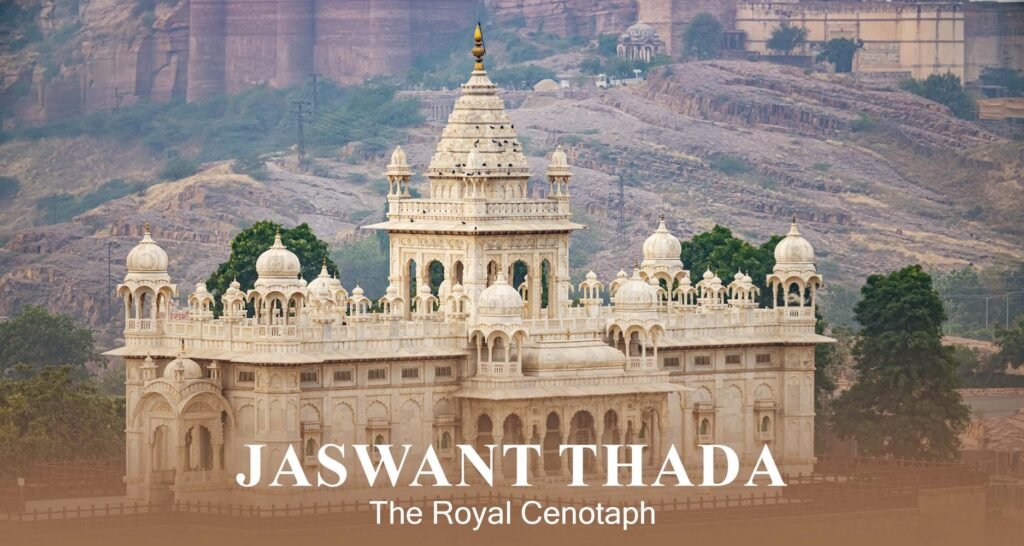
Explore the Majestic Beauty of Jaswant Thada in Jodhpur
November 13, 2025
Jaisalmer 3-Day Itinerary for First-Time Travelers: A Complete Guide to the Golden City
December 4, 2025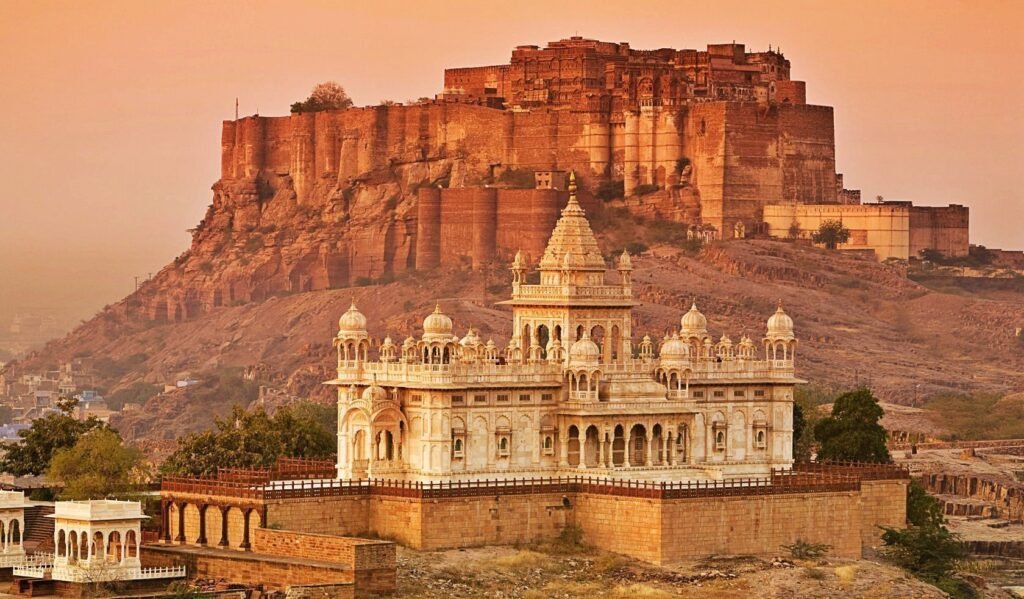
Rising majestically over the Blue City of Rajasthan, Mehrangarh Fort Jodhpur is one of the most stunning architectural masterpieces in India. Towering 410 feet above the city and enclosed by thick, imposing walls, this fort is not just a symbol of royal grandeur but also a living chronicle of centuries-old history, art, and culture. Whether you are a history lover, architecture enthusiast, or photography admirer looking for breathtaking Mehrangarh Fort photos, this magnificent structure is a highlight of every Jodhpur sightseeing tour, offering something truly unforgettable.
The Historical Legacy of Mehrangarh Fort Jodhpur
The Mehrangarh Fort Jodhpur was founded by Rao Jodha, the fifteenth ruler of the Rathore dynasty, in 1459 CE. It stands as a monumental reminder of the Rajputana spirit—courage, pride, and honor. The name “Mehrangarh” comes from two words: “Mihir,” meaning sun, and “Garh,” meaning fort—thus translating to “Fort of the Sun,” reflecting the Rathore’s ancestry that traces back to the Sun God.
Before establishing Mehrangarh Fort, Rao Jodha ruled from Mandore, but the strategic position of Mandore made it vulnerable to invasions. Hence, he shifted his capital to a more secure hilltop known as Bhakurcheeria, meaning “Mountain of Birds,” where the Jodhpur Fort, later known as Mehrangarh, was built. Over the centuries, successive rulers of Mehrangarh Jodhpur expanded and beautified the fort, leaving behind a royal legacy etched in sandstone.
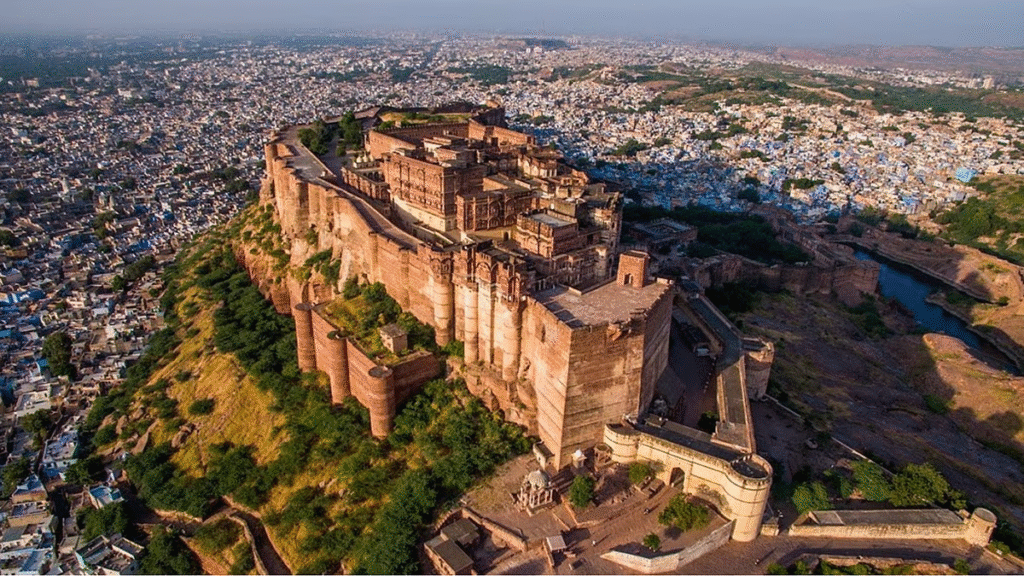
Architectural Marvel of Mehrangarh Fort Jodhpur
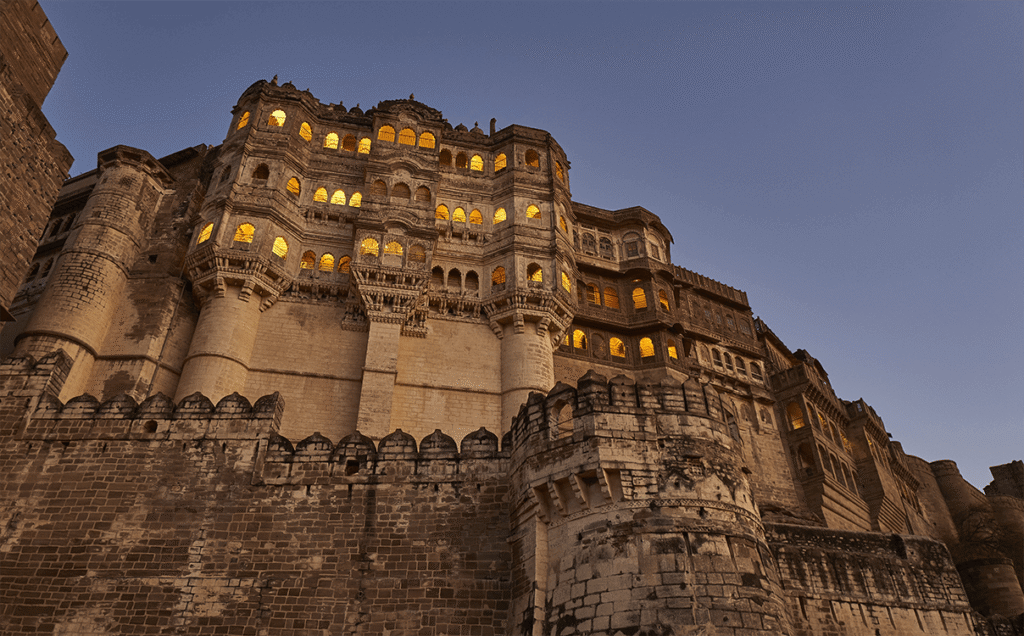
One of the most captivating aspects of Mehrangarh Fort Jodhpur is its awe-inspiring architecture. Spread over 5 kilometers, the fort is built with red sandstone, giving it a rich, fiery hue that changes shades with sunlight—making it a favorite subject for Mehrangarh Fort photos among travelers and photographers alike.
The fort walls, some of which are over 100 feet high and 70 feet thick, tell stories of resilience and defense. The intricate carvings, sprawling courtyards, and ornate palaces within the fort reflect the artistic brilliance of Rajasthani craftsmanship. The entrance gates—Jai Pol, Lahapol, Dedh Kamgra Pol, and Loha Pol—each have their own story. Notably, the Loha Pol bears the imprints of queens’ hands, a poignant reminder of the Rajput practice of sati.
Inside, Mehrangarh Fort and Museum is a treasure trove of royal memorabilia. The museum houses rare artifacts, miniature paintings, weapons, textiles, palanquins, musical instruments, and costumes that once adorned the Rathore royalty. The galleries are divided into thematic sections, such as the Palanquin Gallery, the Elephant Howdah Gallery, and the Armory, giving visitors a glimpse into the regal life of ancient Mehrangarh Jodhpur.
Magnificent Palaces Inside Mehrangarh Fort Jodhpur
Within the grand fort complex are several palaces that stand out for their exquisite beauty and craftsmanship:
1. Moti Mahal (Pearl Palace)
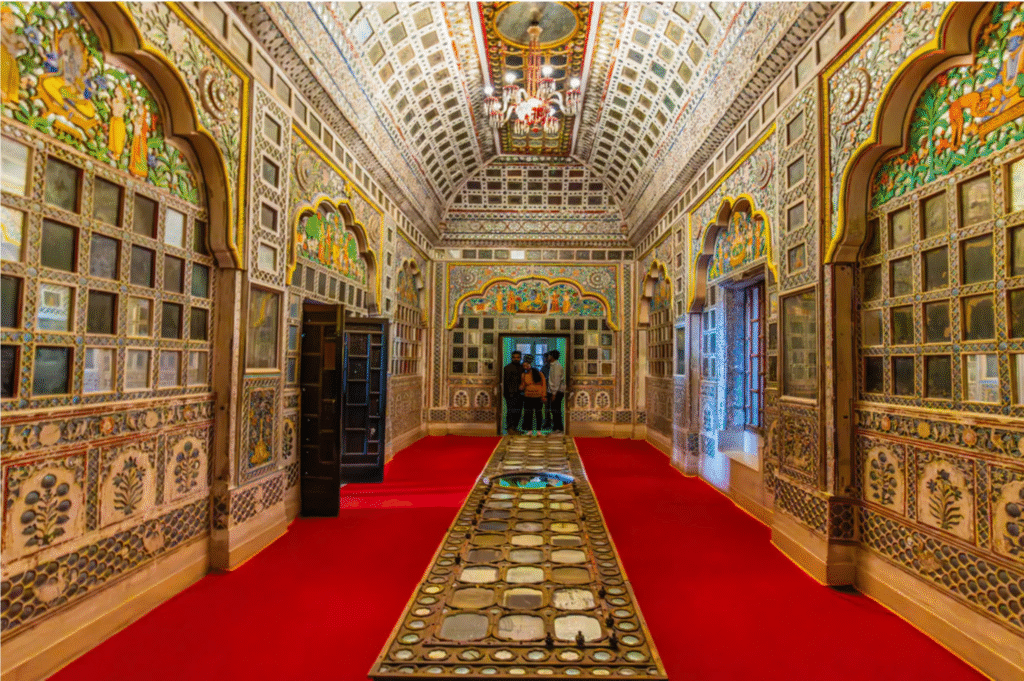
Moti Mahal, meaning the Pearl Palace, is renowned for its smooth white plaster that gleams like pearls. It was the royal audience hall where the king addressed his courtiers. The intricate mirror work and colorful glass windows of Moti Mahal create a dazzling visual effect when sunlight filters through.
2. Phool Mahal (Flower Palace)
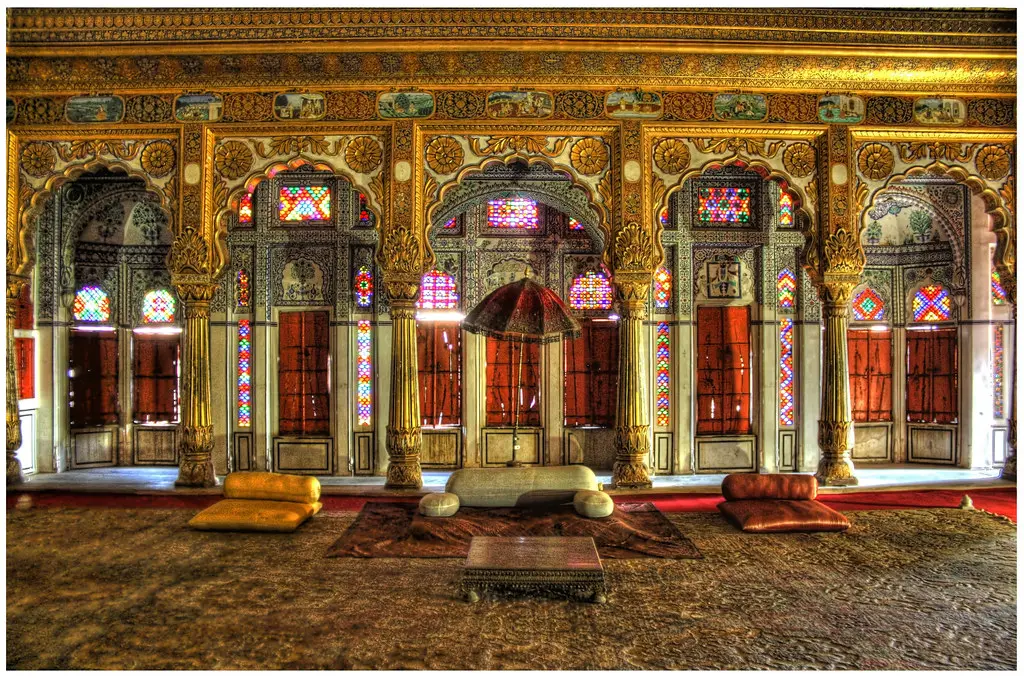
This is arguably the most opulent chamber in the Mehrangarh Fort Jodhpur. Built by Maharaja Abhaya Singh in the 18th century, Phool Mahal served as the king’s private hall of pleasure. Its walls and ceilings are adorned with golden filigree and delicate mirror work, representing the luxury of royal indulgence.
3. Sheesh Mahal (Mirror Palace)
The Sheesh Mahal is a testament to the Rajput love for opulence. Its entire interior is decorated with intricate mirror mosaics that shimmer brilliantly, reflecting the light from lamps and candles—a truly enchanting experience for anyone exploring Mehrangarh Jodhpur.
4. Zenana Deodi (Queen’s Palace)
The Zenana Deodi was the private quarters of royal women. Its sandstone latticework and finely carved screens (jali) ensured privacy while allowing air and light to pass through. Today, it is one of the most photographed sections in Mehrangarh Fort photos collections.
Mehrangarh Fort and Museum: A Window into Royal Rajasthan
The Mehrangarh Fort and Museum is often considered one of the best-preserved museums in India. Established by Maharaja Gaj Singh II, the museum showcases the grandeur of the Rathore dynasty through curated exhibits. Among its prized possessions are royal palanquins, elephant howdahs, armory collections, and miniature paintings belonging to the Marwar school of art.
The museum also displays costumes, musical instruments, and furniture from the 17th and 18th centuries. Visitors can even see the howdahs (elephant seats) made of silver and gold used during royal processions—a must-see highlight for anyone visiting the Jodhpur Fort.
For history enthusiasts, the museum offers guided tours that narrate stories of battles, alliances, and royal traditions. The audio guide is available in multiple languages and provides a deeper understanding of the fort’s rich past.
Key Facts about Mehrangarh Fort Jodhpur
Here are some fascinating facts that make Mehrangarh Fort Jodhpur a must-visit destination:
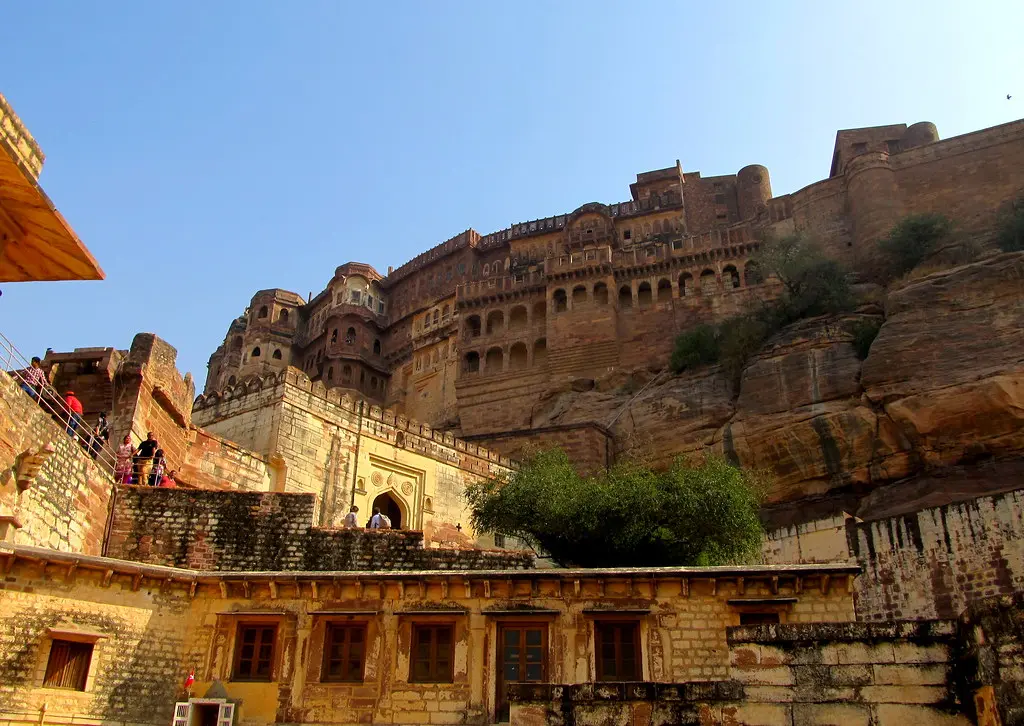
- Strategic Location: The fort sits on a rocky hill called Cheerio, offering panoramic views of the Blue City of Jodhpur.
- Construction Legend: According to legend, when Rao Jodha began construction, a hermit named Cheeria Nathji cursed the site. To appease him, a man volunteered to be buried alive in the foundation—a story still told by locals today.
- Battle Marks: Cannonball imprints from historic battles can still be seen on the fort’s walls, adding to its authenticity.
- Film Fame: Many famous movies like The Dark Knight Rises, The Lion King (2019), and The Jungle Book have featured Mehrangarh Fort Jodhpur.
- Cultural Hub: The fort hosts the Rajasthan International Folk Festival (RIFF) and World Sacred Spirit Festival, celebrating music, dance, and cultural harmony.
- Spectacular Views: The fort provides the best vantage point for capturing stunning Mehrangarh Fort photos and panoramic shots of Mehrangarh Jodhpur.
- UNESCO Recognition: The fort’s conservation efforts have received global recognition and awards for heritage preservation.
Mehrangarh Jodhpur: The Blue City Connection
When you stand atop Mehrangarh Fort Jodhpur, the first thing that strikes your eyes is the endless sea of blue houses below. The city of Mehrangarh Jodhpur, also known as the “Blue City,” earned its name because of the indigo-painted homes that were once a sign of Brahmin dwellings. Over time, everyone adopted this style to combat heat and insects, giving Jodhpur its iconic hue.
From the ramparts of Jodhpur Fort, the view of this blue mosaic against the golden Thar Desert is mesmerizing. It’s no wonder that photographers from around the world come to capture the magical contrast of Mehrangarh Fort photos with the backdrop of the Blue City.
Visiting Mehrangarh Fort Jodhpur: What to Expect
For visitors, Mehrangarh Fort Jodhpur offers a rich and immersive experience. The fort opens daily, and visitors can explore the museum, palaces, temples, and ramparts. Adventure enthusiasts can try zip-lining around the fort for a thrilling aerial view of Mehrangarh Jodhpur and the surrounding landscape.
There are several cafes and souvenir shops inside the fort where tourists can relax and buy traditional Rajasthani handicrafts. Don’t forget to visit the Chamunda Mata Temple, located within the fort complex, which remains an important place of worship for locals.
Travelers can easily reach the fort using a reliable taxi service in Jodhpur, ensuring a comfortable and convenient way to explore not only the fort but also other attractions across the Blue City. The fort is best visited during early morning or sunset hours when the lighting enhances the red sandstone hues, making it perfect for Mehrangarh Fort photos that capture its timeless charm.
Conclusion: A Living Legacy of Royal Rajasthan
In essence, Mehrangarh Fort Jodhpur is not merely a historical monument—it’s a living legacy of valor, artistry, and royal splendor. Every stone in this Jodhpur Fort tells a story, every carving reveals a mystery, and every courtyard echoes with tales of bravery and devotion. Whether you are exploring the intricate palaces, admiring the collections in Mehrangarh Fort and Museum, or simply capturing the sunset from its walls, this iconic fort never ceases to inspire awe.
Visiting Mehrangarh Jodhpur is like stepping into a time capsule that preserves the grandeur of the Rajputana era. For anyone traveling through Rajasthan, Mehrangarh Fort Jodhpur is an unmissable gem—a masterpiece that continues to reign as one of India’s most magnificent fortresses.